KFF Health News

As a senior correspondent for KFF Health News (previously called Kaiser Health News), I cover a wide range of national health stories, from COVID-19 to mental health, substance use and suicide. I work on both long-term investigative projects, as well as enterprise and shorter-term feature stories.
KFF Health News is a nonprofit news service committed to in-depth coverage of healthcare policy and politics. It provides all its content free to other news organizations and the public. As such, my stories have appeared on CNN, NPR, PolitiFact, the Guardian, and many other local and national outlets.
KFF Health News is an editorially independent program of the Kaiser Family Foundation. (Neither the newsroom nor the foundation has any affiliation with the health insurance company Kaiser Permanente.)
Payback: Tracking the Opioid Settlement Cash
Opioid manufacturers, distributors, and retailers are paying more than $50 billion in restitution to settle lawsuits about their role in the overdose epidemic. Yet there is little oversight on how this money is spent. In this multi-year series, I tracked how state and local governments used — or misused — the cash.
$50 Billion in Opioid Settlement Cash Is on the Way. We’re Tracking How It’s Spent.

Spending the money effectively and equitably is a tall order for state and local governments, and a lack of transparency in the process is already leading to fears of misuse. An investigation by KHN and Christine Minhee, founder of OpioidSettlementTracker.com, concluded only 12 states have committed to detailed public reporting of all their spending.
The analysis involved scouring hundreds of legal documents, laws, and public statements to determine how each state is divvying up its settlement money among state agencies, city and county governments, and councils that oversee dedicated trusts.
My sources and I joined NPR’s 1A for an hour-long discussion on this topic.
‘They See a Cash Cow’: Corporations Could Consume $50 Billion of Opioid Settlements

As opioid settlement dollars land in government coffers, a swarm of businesses are positioning themselves to profit from the windfall. But will their potential gains come at the expense of the settlements’ intended purpose — to remediate the effects of the opioid epidemic?
One Pennsylvania county is spending $1 million on drug disposal patches. At least two cities are buying BolaWraps for police. The device shoots out a wire that wraps around a person’s torso or legs to detain them.
I dug into these issues for an article and social media video.
Opioid Settlement Payouts to Localities Made Public for First Time

Thousands of local governments nationwide are receiving settlement money from companies that made, sold, or distributed opioid painkillers, like Johnson & Johnson, AmerisourceBergen, and Walmart. But finding out the precise amount each city or county is receiving has been nearly impossible because the firm administering the settlement hasn’t made the information public.
Until now. After more than a month of communications with state attorneys general, private lawyers working on the settlement, and the settlement administrators, I obtained more than 200 documents showing the exact dollar amounts — down to the cent — that local governments were allocated for 2022 and 2023.
How Are States Spending Opioid Settlement Cash? We Built a Database of Answers

A year-long investigation involving dozens of interviews, thousands of pages of documents, an array of public records requests, and outreach to all 50 states resulted in a first-of-its kind database that catalogs more than 7,000 ways opioid settlement cash was used in 2022 and 2023. It’s the most comprehensive resource to date tracking some of the largest public health settlements in American history.
Supreme Court Upends Purdue Pharma Opioid Settlement

When the Supreme Court struck down a $6 billion bankruptcy plan from Purdue Pharma, the maker of OxyContin, confusion was rampant. What would this mean for victims of the opioid crisis and state governments that were expecting settlement payments? What did it mean for corporate accountability? My team at KFF Health News and I took a novel approach to provide answers. Instead of writing an article, we produced a social-media first story through a series of slides on Instagram, giving readers a clear, distilled version of the day’s breaking news.
Featured on Last Week Tonight with John Oliver
The Payback series not only attracted attention from Congressional lawmakers and journalism awards committees; it also drew the interest of late night comedy show Last Week Tonight with John Oliver. After I consulted with researchers on the show for months, they aired an episode focused on the topic in May 2024. The episode prominently featured five articles from the Payback series.
Diagnosis: Debt
In this year-long series, led by Noam Levey and to which I contributed several written and audio stories, we exposed a staggering failure of U.S. health care: It systematically pushes patients into debt. The series won a Loeb award, NICHM award, SABEW award, and AHCJ award.
Medical Debt Sunk Her Credit. New Changes From the Credit Reporting Agencies Won’t Help.

Penny Wingard, 58, of Charlotte, North Carolina, worries she won’t ever get out from under her medical debt despite new policies that are supposed to prevent medical debt from harming people’s credit scores.
I followed Wingard for nearly a year to report both a written story and an audio feature for NPR illustrating the ways medical debt has impacted her daily life, work prospects, relationships, and mental health.
How Banks and Private Equity Cash In When Patients Can’t Pay Their Medical Bills

As Americans are overwhelmed with medical bills, patient financing is now a multibillion-dollar business, with private equity and big banks lined up to cash in when patients and their families can’t pay for care.
Hospitals and other providers, which historically put their patients in interest-free payment plans, have welcomed the financing, signing contracts with lenders and enrolling patients in financing plans with rosy promises about convenient bills and easy payments.
For patients, the payment plans often mean something more ominous: yet more debt.
Other Stories
Pandemic Unveils Growing Suicide Crisis for Communities of Color
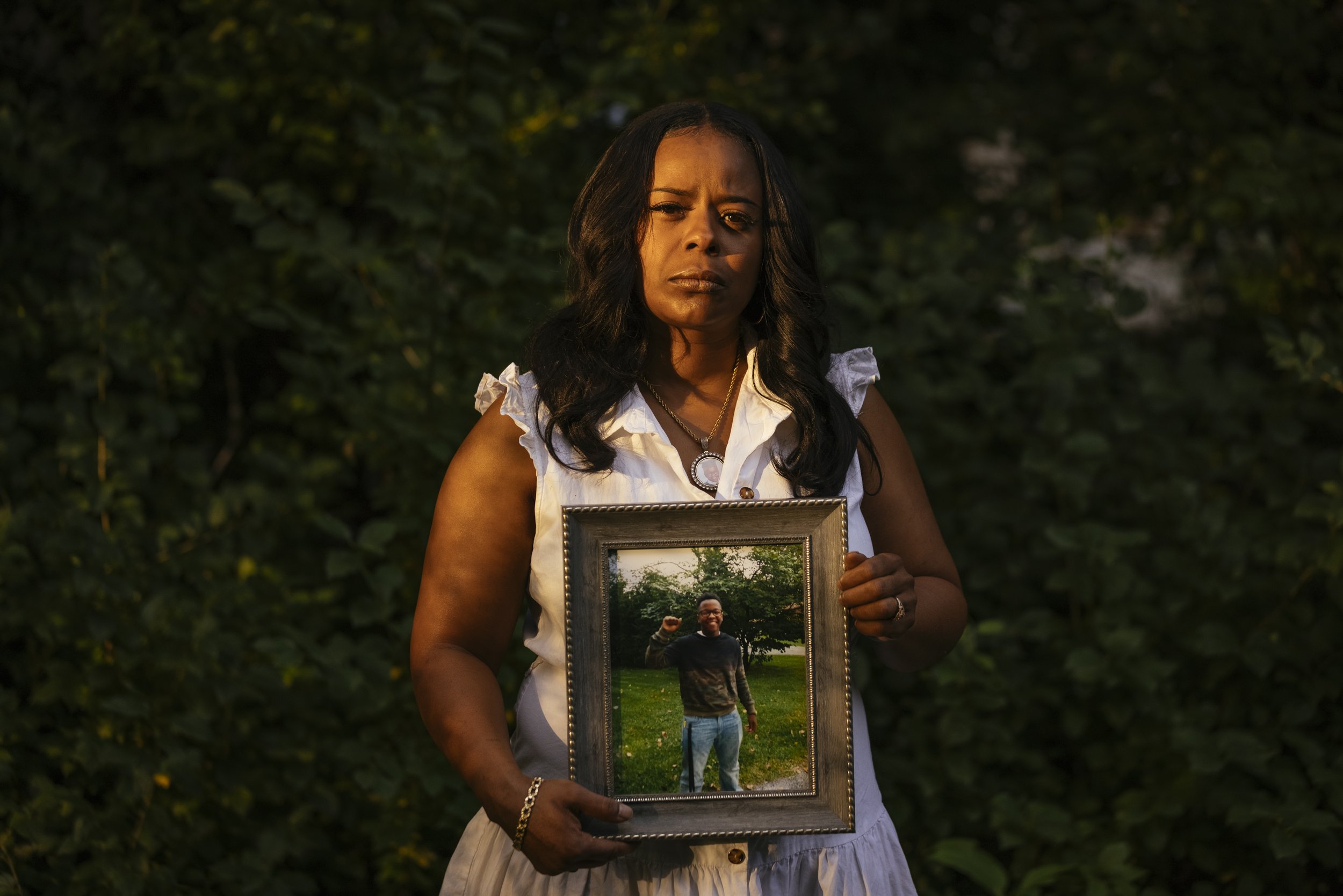
In 2021, there was a collective sigh of relief when the CDC announced that — despite the mental health impacts of Covid-19 — the national suicide rate had declined. However, that was not the full picture. Suicide rates actually increased for Black, Hispanic, and other communities of color in many states during the pandemic.
Interviews with a dozen suicide researchers, data requests to all 50 states, and a review of decades of research revealed that suicide is a growing crisis for communities of color — one that plagued them well before the pandemic and has only been exacerbated since.
I collected audio for this story too, which was featured in a 17-minute piece on Science Friday.
OSHA Let Employers Decide Whether to Report Health Care Worker Deaths. Many Didn’t.

Four workers died at a facility with one of the largest U.S. outbreaks, but the Occupational Safety and Health Administration never conducted an inspection. It’s a pattern that’s played out across the country.
My colleagues and I examined more than 240 deaths of health care workers and found that employers did not report more than one-third of them to a state or federal OSHA office, many based on internal decisions that the deaths were not work-related — conclusions that were not independently reviewed.
This story was part of a package that won the NLA’s 2021 Batten Medal for Coverage of the Coronavirus Pandemic.
Addiction Treatment Providers in Pa. Face Little State Scrutiny Despite Harm to Clients

Pennsylvania’s Department of Drug and Alcohol Programs has allowed providers to continue operating despite repeated violations and harm to clients.
More than 80 interviews and a review of thousands of pages of state government and court records revealed that the department lacks resources and regulatory power, uses an inherently flawed oversight system that does little to ensure high-quality or effective care, and rarely takes strong disciplinary action against facilities when so many Pennsylvanians need services.
This story won the Institute for Nonprofit News’ 2021 award for “Best Investigative Journalism.”
Despite COVID Concerns, Teams Venture Into Nursing Homes to Get Out the Vote
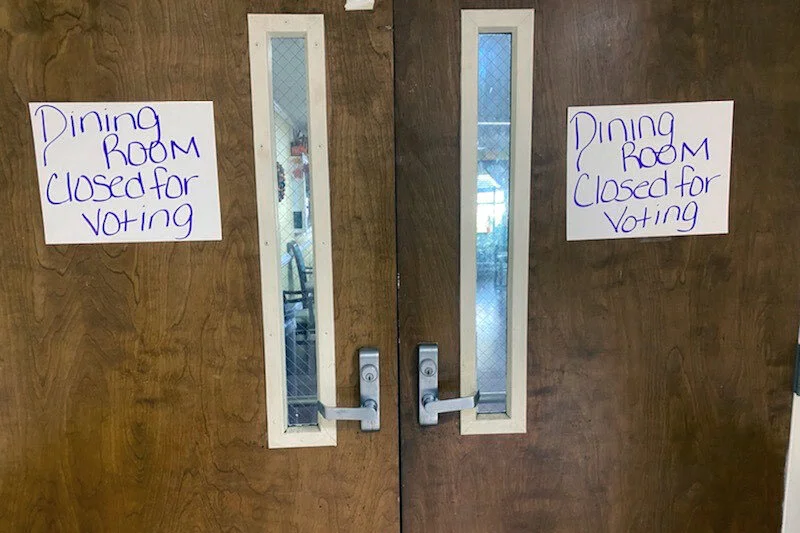
In North Carolina, staffs at nursing homes and assisted living facilities are prohibited by law from helping residents vote. So community members fill the gap. In 2020, that meant venturing into some of the places hit hardest by Covid-19, in order to make sure residents have the opportunity to vote in the presidential election.
How ERs Fail Patients With Addiction: One Patient’s Tragic Death

Two intractable failings of the U.S. health care system — addiction treatment and medical costs — come to a head in the ER, where patients desperate for addiction treatment arrive, only to find the facility may not be equipped to deal with substance use or, if they are, treatment is prohibitively expensive.
About nine months after publication, the South Carolina hospital at the center of this article signed a contract with the state to improve its addiction care policies and training in the ER.
Vaccine Hesitancy vs. Vaccine Refusal: Nursing Home Staffers Say There’s a Difference

It’s becoming increasingly clear that decision-making about the Covid-19 vaccine is complicated and multifaceted, which means persuading people to say yes will be, too.
I visited a nursing home in North Carolina on the day of their first Covid-19 vaccine clinic to report both a written story and an audio story KHN and NPR. (Listen to the audio here.)